Finance Python - Financial Analysis Dashboard
Python financial toolkit with Streamlit, pandas, yfinance, Plotly, TradingView TA, backtesting, sentiment analysis, and portfolio management.
Technical Overview
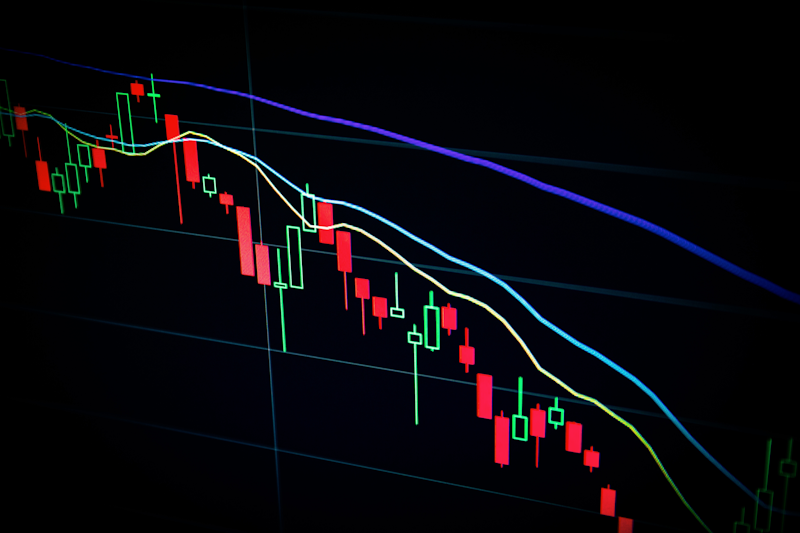
Finance Python is a financial analysis application that integrates market data, technical indicators, fundamental analysis, sentiment, pattern recognition, and portfolio management. It uses Streamlit as the interface, pandas and NumPy for processing, yfinance for market data, Plotly and Matplotlib for visualizations, and specialized modules for strategies, patterns, portfolio, and NLP.
Problem Statement
Exploratory financial analysis often requires combining notebooks, APIs, indicator libraries, and visualization tools. This project centralizes those flows in a modular dashboard for research and validation.
Architecture
Python application organized into modules for strategy, dashboard, patterns, portfolio, sentiment, and utilities. The stack includes Streamlit, pandas, NumPy, yfinance, Plotly, `ta`, `tradingview-ta`, `backtesting`, scikit-learn, cvxpy, transformers, nltk, TextBlob, OpenCV, and Redis. External APIs such as Alpha Vantage, Twitter/X, and News API are configurable through environment variables.
Key Features
- Streamlit dashboard for exploring assets and markets
- Technical indicators and signals with TradingView TA
- Fundamental analysis and sector comparison
- Candlestick and chart pattern recognition
- News and social sentiment analysis
- Portfolio management, risk, and optimization
- Strategy backtesting and performance metrics
Challenges
- Unifying multiple financial data sources and formats
- Separating analytical modules for extensibility
- Presenting complex results in a clear Streamlit UI
- Avoiding exploratory signals being interpreted as financial advice
Outcomes
Modular dashboard for financial research, combining technical, fundamental, sentiment, pattern, and portfolio analysis in a single environment.