OneDay App - Spatial Productivity Interface
Mobile productivity app built with Expo, React Native, and TypeScript, combining task and goal management with an interactive room interface.
Technical Overview
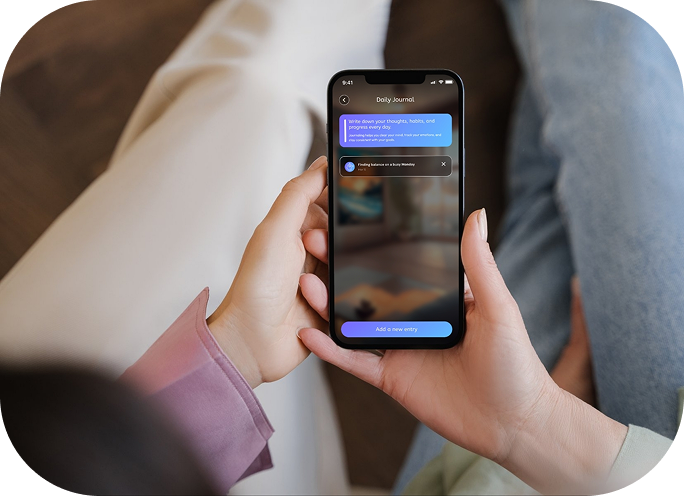
OneDay App combines task and goal management with a visual experience based on an interactive room. The app is built with Expo, React Native, and TypeScript, integrates Supabase for persistence, and uses multimedia and 3D capabilities to move beyond a traditional task list. The product includes routines, library flows, multimedia content, dynamic backgrounds, alarms, and premium features documented in the repository.
Problem Statement
Productivity tools often depend on flat lists that lose engagement over time. OneDay explores a more visual experience for organizing routines, tasks, and daily content from a mobile environment.
Architecture
Mobile architecture with Expo 54, React Native 0.81, and React 19. It uses Expo Router for file-based navigation, Supabase and Async Storage for data, Tailwind/NativeWind for styling, and Expo modules for audio, images, blur, haptics, and native capabilities. The structure separates screens, components, services, hooks, constants, and types.
Key Features
- Task, goal, and daily routine management
- Interactive room interface as the main product shell
- Mobile navigation with Expo Router
- Persistence with Supabase and local storage
- Multimedia integration with Expo Audio, images, and dynamic backgrounds
- Support for animations, haptics, and native visual effects
- Internal documentation for architecture, database, and features
Challenges
- Keeping a fluid mobile experience with visual UI and complex interactions
- Synchronizing productivity data between local state and Supabase
- Organizing heterogeneous features such as routines, library, alarms, and multimedia content
- Maintaining visual consistency across native components and Tailwind/NativeWind styling
Outcomes
Functional mobile product foundation for a productivity app with its own visual identity, modular navigation, and support for data, multimedia, and premium features.